
How to Reconnect With Yourself After a Period of High Stress

Stress. Those six letters everyone knows with painful accuracy. They call it a disease of modern life, and for good reason. Besides the constant pressure regarding work, money, and expectations, there are periods when everything feels too loud, too heavy, too close; when the brain won’t slow down. During these moments, people will often forget their own shape and breath. This is when the need to reconnect with yourself becomes urgent, simple, and honest.
Early Sobriety and the Shock of a New Nervous System
Early sobriety can feel raw and unfamiliar. When people remove a substance or behavior that once helped them cope, the body wakes up all at once. Thoughts tend to move faster. Emotions sit closer to the surface. Sleep feels a little strange. Appetite changes. The noise inside gets louder before it gets quieter. It is challenging to reconnect with yourself.
This is a time for soft structure. Small routines bring safety. Warm meals help the body feel held. Short walks give the mind a clear edge to rest against. You’ll spend a lot of time figuring out your new life during this stage, and that process asks for patience. A journal can act as a gentle mirror. Calmer evenings can help reduce abrupt mental spikes. These small changes help the body learn that safety can exist without old habits.

When people remove a coping substance or behavior, the body activates all at once.
Resetting Your Body After Living in Survival Mode
High stress often traps the body in survival mode. Shoulders lift. Jaw tightens. Breathing shortens. Sleep becomes shallow and broken. The body acts as if danger lives in every sound.
One solution is deliberate breathing to reconnect with yourself. A slow inhale through the nose and a longer exhale through the mouth sends a clear message to the nervous system. The message says: You can lower the shield. Gentle stretching can release tension stored in the neck, back, and hips. A consistent bedtime builds a signal that night is for repair.
Food also holds power. Simple, regular meals stabilize blood sugar and mood. Water helps reduce physical strain. Movement does not need to be intense. A short walk or light yoga tells the body that it can move without fear. These actions return a sense of safety to muscles, joints, and nerves.
Healthy Stress and Growth, as Explained by Psychology
The American Psychological Association explains that stress is not always harmful. In careful balance, stress helps people grow. It improves focus and strengthens resilience. It teaches the brain how to solve problems under pressure. This view does not ignore pain or difficulty. It respects the ability of the human system to adapt.
You can use this idea in daily life by tracking your stress response. Notice when a challenge feels motivating instead of crushing. Take short breaks during hard tasks. Reward progress in small ways. Name your effort out loud. That practice builds awareness. It builds confidence. It builds trust in your own capacity.
This is also the point where you can reconnect with yourself through mindful check-ins. A pause between tasks helps you notice hunger, fatigue, or emotional strain. That pause becomes a small control panel for your inner system.
Creating Small Rituals That Belong Only to You
Personal rituals give shape to stressful days. They act as anchors.
A morning cup of tea can become a silent agreement with your body. A short walk after work can mark a clean ending to the day. A notebook beside the bed can catch thoughts before sleep. These rituals tell your brain that you exist beyond crisis mode.
Music also helps. A single song can shift mood. Scents can do the same. A familiar candle or oil can bring comfort through the sense of smell. Repetition strengthens these effects. Over time, your mind links these moments with calm.
These rituals work best when they stay simple. Complexity creates pressure. Simplicity creates relief. Relief makes space for real self-presence to return.
Learning to Sit With Quiet Without Panic
Silence can feel scary after long stress. Many people avoid quiet because it lets old thoughts rise to the surface. The goal is not silence without thought. The goal is silence without fear.
You can train this skill in short sessions. Sit on a chair. Place your feet flat on the floor. Hold your hands together. Breathe slowly. Let thoughts come and go. Do not chase them. Do not push them away.
This practice reduces reactivity. It increases control. It makes emotions easier to notice before they explode. Quiet time teaches your brain that it does not need chaos to stay alert. Over time, quiet becomes a place of rest rather than a place of threat.
Rebuilding Identity After Stress Changes Your Priorities
High stress often changes priorities. What used to matter may feel empty. What used to feel urgent may feel distant. This shift can feel confusing, but it can also be useful.
One practical step is writing a short personal statement. This can be a few lines about what matters now. It can change over time. That is allowed. Another step is choosing one small value to act on each day. Kindness. Honesty. Curiosity. Discipline. Pick one. Practice it.
You can also explore new interests without pressure. A short class. A new book. A fresh hobby. These actions give shape to a new sense of self. They do not need to produce mastery. They only need to feel honest.
This stage helps people feel alive again. It supports the slow work of rebuilding trust in their own thoughts and choices.
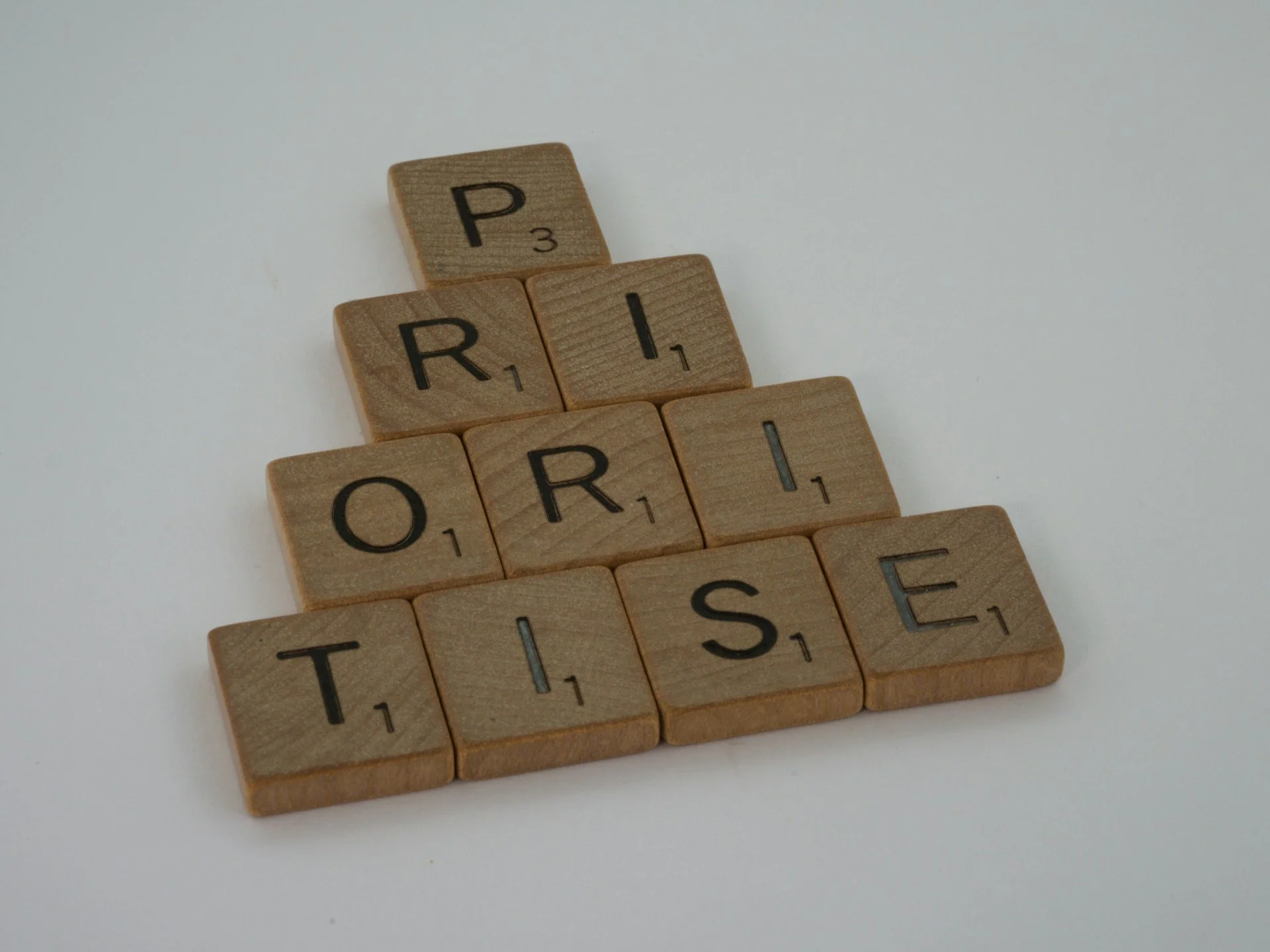
High stress can shift priorities, making what once mattered feel empty.
Letting Joy Feel Safe Again
After high stress, joy can feel suspicious. The body may expect a crash after calm. This makes it hard to relax.
You can change this pattern by allowing small moments of pleasure. A warm shower. Clean sheets. A favorite meal. A short laugh. These moments are not rewards. They are basic human needs.
Do not wait for large milestones. Small joys build trust. Trust builds safety. Safety allows real presence. This process supports emotional balance and mental recovery.
You can practice noticing these moments. You can name them and thank them. This trains the brain to accept positive states without fear of loss.
Conclusion: A Return to Yourself
After long stress, the mind needs patience. The body needs kindness. The heart needs simple care. Recovery doesn’t happen in a straight line. It moves in small steps that build strength.
You can breathe with intention and move with care. You can welcome silence and allow joy, and be yourself once again.
Each of these actions supports the slow and honest work to reconnect with yourself and feel real again, grounded again, and calmly alive.