
Why Major Life Transitions Trigger Anxiety Even When They Are Positive

Positive events often bring unexpected stress to our lives. You might get a promotion or start a happy marriage. These events are positive, yet they can cause deep worry for many people. This reaction happens because your brain must process big changes quickly. Consequently, change forces the mind to leave a known state of being. Even a good change creates a gap between your past and your future. This gap feels unpredictable and strange to your brain. You are not failing if you feel anxious during a promotion. It is a natural biological response to a new environment. Major life transitions trigger anxiety because the familiar path disappears entirely now. Your mind craves stability even when you achieve a goal. You should expect some tension when things go well. Anxiety does not mean your success is a mistake. It simply means you are adjusting to a new reality. You can find peace by accepting these feelings as part of the process. Moreover, your journey involves both joy and mental strain. This balance exists.
Connecting Life Transitions to Stress Cues
Anxiety often stems from specific internal or situational cues in your life. The change itself is rarely the only cause of your discomfort or fear. Instead, the body reacts to the loss of a predictable schedule. You can gain clarity when you identify your triggers through regular self-reflection. This insight helps you understand sources of anxiety attacks in the body. It provides an educational context for your physical feelings and mental state. Moreover, recognizing these cues is the first step for internal regulation and peace.
Additionally, major life transitions trigger anxiety because they often introduce many new cues at the same time. This overlap can overwhelm your ability to stay calm and focused. You should focus on one trigger at a time to reduce the overall load. This awareness builds a solid foundation for long-term reassurance and mental strength. Consequently, you can learn to separate the event from the stress response much better over time. You are not a victim of your nerves when you have this knowledge. Focus on facts rather than fears. Finally, stability comes through this practice.
How the Nervous System Reacts to Progress
The human body prioritizes safety over happiness every single day. Your nervous system views unfamiliar situations as potential threats to your health — and the ability to process threats is one of the most crucial functions in the human body.
A positive transition changes your daily routine and your physical surroundings. This shift triggers a physical response in the amygdala. Uncertainty is the primary driver of this internal tension in the body. You may lose the comfort of your old habits during these times. Therefore, your body stays on high alert to protect you from the unknown. Consequently, major life transitions often force the body to remain in a state of high arousal.

Sudden progress may, biologically, register as a problem.
This state helps you scan for dangers in a new setting. However, it also makes you feel restless and tired. You might experience a racing heart or shallow breathing. These symptoms are signs that your system is working to keep you safe. Understanding this biological fact can truly reduce your fear of anxiety itself today. You are simply in a state of high readiness for your new life. Additionally, you must listen to your body and give it rest.
The Impact of Identity Shifts
New roles often require a new version of yourself for success. You might become a parent or a manager for the first time. These titles change how you see your own identity and purpose. Such shifts create internal pressure to perform well at all times. You must let go of your old self-image and stop overthinking to move forward. This process can feel as if you lost a close friend.
Consequently, the mind resists the change to maintain its old sense of self. We must discuss why high expectations fuel this specific type of anxiety. So, transitions trigger anxiety and challenge your belief about who you are and what you can do. Learning to accept a new identity is a vital step for your mental health. However, you might miss your old life even if your new life is better. This feeling is a normal part of the human experience. Therefore, you should give yourself much grace during this period of deep personal growth. You are becoming a person who can handle more responsibility and joy. Moreover, this evolution proceeds.
Grounding Tools for Major Transitions
Practical strategies help you manage a sensitive nervous system during change. You can use deep breathing to signal safety to your brain today. Additionally, establishing a small daily routine provides a sense of balance in your life. These tools reduce the intensity of your physical symptoms and mental fog. Consequently, consistent grounding allows the mind to settle into new roles and tasks. You should focus on tasks that feel familiar and safe to your mind.
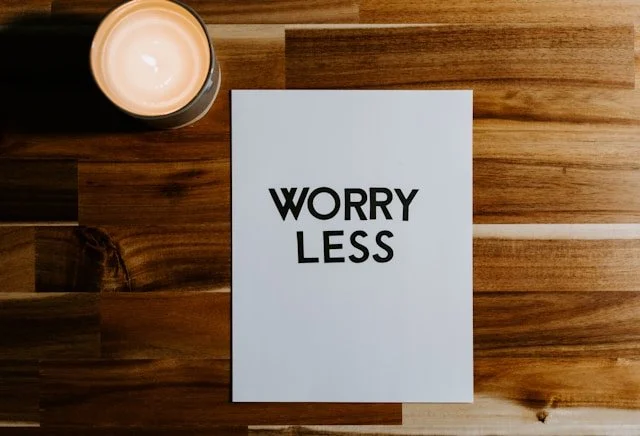
Find ways of restoring balance to your daily life.
For example, keep your morning coffee habit during a big move. This section offers specific tools for immediate relief from sudden stress. These methods work well for many different types of changes. First, try to name the emotions you feel without judging them. Second, spend time in nature to reset your internal clock. Third, reach out to a friend who listens well. These actions ground you in the present moment today. Therefore, you will find that small steps lead to big improvements in your overall mood fast. You have the power to calm your mind with simple daily actions. Finally, rest today.
Embracing the Future with Confidence
This journey is a path for a stronger version of yourself. Moreover, major life transitions trigger anxiety and test your resilience but they also build your confidence. You have the tools to handle every step of the way with ease. Instead, focus on your progress rather than your temporary feelings of worry.
You are capable of handling success and the stress that comes with it. Additionally, trust your ability to adapt and grow in your new environment every day. You are doing a great job even when things feel heavy. Finally, your future is bright and full.